Discover Offers Where Jozani Forest Tour Guide Is Part of the Itinerary
Zanzibar isn’t just beaches. Drive inland and the air changes—humid, quiet, full of insect noise. That’s Jozani. Tall trees, tangled vines, damp ground that smells like it’s been wet for years. People expect a quick stop, a couple of monkeys, done. It’s more than that if someone explains what you’re looking at. Discover offers where jozani forest tour guide is part of the itinerary and you’ll see they don’t just sell a walk; they line up transport, time the visit right, sometimes add mangroves and a nearby butterfly stop. With a guide, red colobus aren’t just “monkeys”; mangroves aren’t just “roots.” The stories snap things into place—what eats what, why the water matters, how locals used bark, why cutting trees used to be normal and why it isn’t now.
First feel of the forest
The road flattens out, then the trees close in. Shade gets heavy. You step off the path and the ground gives. No zoo fences, no loudspeakers. Some groups see the red colobus right away; others walk ten minutes before anything moves. Then a branch shakes, a back flashes rust-red, and there they are, close enough to watch them chew leaves like they’re bored of the whole show.
Why the guide matters
- Names and habits: which trees the colobus prefer, which birds you’re hearing, what leaf cures what (folk use vs science).
- Safety and pace: no feeding, no wandering into swamp, no blockading monkeys for photos.
- Timing: mornings are cooler, monkeys more active; guides know the usual hangouts.
- Context: conservation, community shares, why fees exist, where the money goes.
Red colobus, up close
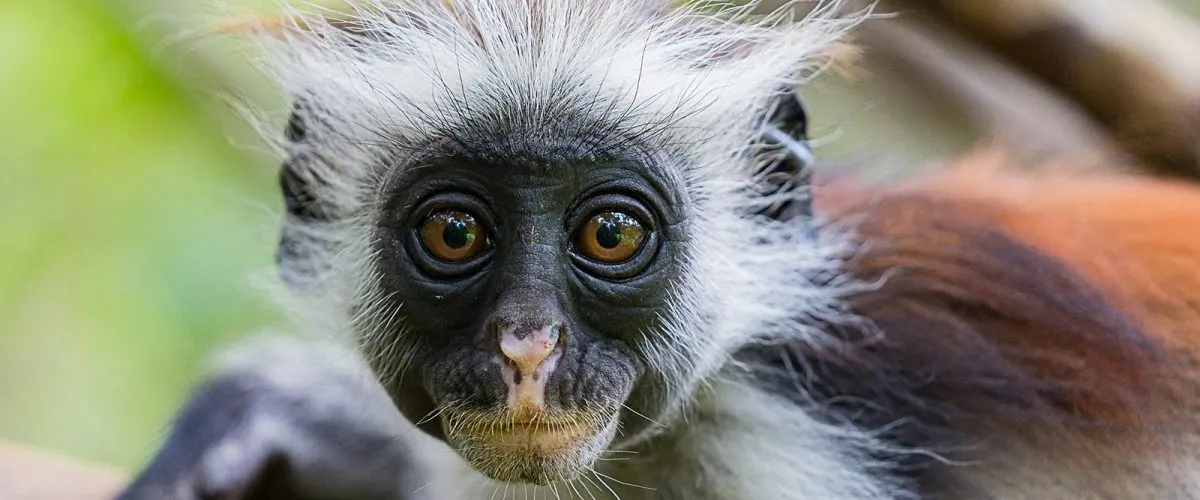
Endemic. Nowhere else. Rust backs, white bellies, black faces. They don’t beg, they don’t pose. They eat. A guide points at the leaves—they need young ones; fruit doesn’t work for their stomachs. You get the “why” behind the rules. No touching, no chasing, no snacks. Photos from a few meters are enough.
Mangrove boardwalk
Jozani isn’t only trees. There’s brackish water and roots that look like scaffolding. At high tide, water slides through; at low tide, crabs run like they’re late. The boardwalk keeps you dry and away from the mud. Guides talk erosion, nurseries for fish, old days when people cut mangroves for fuel. The place turns from “swamp” to “system.”
Tours that bundle well
- Jozani + Spice Farm: Forest in the morning, spices in the afternoon (cardamom, clove, cinnamon bark you can smell on the spot).
- Jozani + Prison Island: Monkeys first, tortoises later, boat ride from Stone Town if the sea behaves.
- Jozani + Dolphins (Kizimkazi): Mangroves and monkeys, then a chance at dolphins—early start, sea dependent.
Group runs keep costs low; private runs buy you quiet and control over timing.
Money talk (rough guide)
- Entry (with local guide): ~US$10 per person.
- Group tour with transport: ~US$30–US$50 per person.
- Private tour: ~US$70–US$120 total, extras add up (Stone Town pickup, lunch, combos).
- Add-ons: Spice Farm +US$10–US$15; Prison Island boat +US$15–US$25 (varies).
What to bring (keep it simple)
- Closed shoes you don’t mind getting muddy.
- Water. Hat. Light clothes—humidity bites.
- Repellent if insects love you.
- Camera/phone, but keep distance. No flash at faces.
What it feels like (not brochure talk)
Quiet. Not the party beach vibe. You hear leaves, you hear your own steps, you wait. Some minutes nothing happens; then the whole canopy twitches and ten colobus drift over like slow gymnasts. The guide whispers, points, tells a quick story about old logging or a spirit tree. You walk on wooden planks above roots and look down at crabs doing their sideways sprint. It’s small stuff, but it sticks.
Community side
Many guides live nearby. Tourism money swaps out tree cutting for tour work. When you pay, a slice supports the forest and the people guarding it. That loop is why the colobus are still here in numbers you can actually see.
Who should skip it
- If heat and humidity wreck your mood, pick early morning or don’t go.
- If you want non-stop action, this isn’t it. It’s slow, then sudden.
- If you can’t resist feeding wildlife, do everyone a favor and choose another tour.
Timing and tides
Mornings: cooler, better for walking and monkeys. Midday: heavier air, slower animals, but fewer crowds. If you’re adding the mangroves, ask about tide times—water in changes the whole look.
Logistics and small wins
- Confirm pickup the night before—WhatsApp pin saves time.
- Ask if fees and the local guide are included (no surprises at the gate).
- Carry small cash for tips and snacks after.
- Pair with Spice Farm if you want a full day without backtracking.
In the middle of planning?
Don’t overthink the route. Book the slot, keep it early, leave room for a second stop if energy holds. Our breakdowns make it clear where the guide fits and what’s covered—jozani forest tour guide is included in the guide—so you’re not haggling at the entrance while the group walks off without you.
What people remember after
- Being close to a wild animal without fences.
- The smell of damp shade and leaves crushed under foot.
- Crab cities under the boardwalk at low tide.
- A guide’s one-line fact that won’t leave your head all week.
Quick yes/no
- Can you touch the monkeys? No.
- Is a guide worth it? Yes. Makes the place make sense.
- Kids okay? Yes, if they can walk and listen.
- Wheel-access? Boardwalk helps; forest trails vary—ask in advance.
Wrap
Jozani isn’t neat. It’s wet in spots, roots everywhere, branches cutting across the path. You hear monkeys tearing leaves, guides pointing at small things you’d have walked past. Feels like nothing big on paper, but once you’ve done it, you catch yourself talking about it later. The tours that throw in a guide? That’s when it makes sense.