Cooking Class Experiences in Zanzibar
Not the food. Never the food first. It’s the air — cloves clinging to your clothes, cinnamon scratching at your throat. A laugh breaks through from the kitchen, quick, real, gone again. A radio hums a taarab song half-lost between pots and voices. Trip comparisons showing cooking class experiences in the plan tell you what to expect — spice farms, chopping boards, recipes printed neat on paper — but Zanzibar doesn’t cook from paper.
Here, the recipes live in people’s hands. They measure by memory. “Enough” means when it feels right. You watch a woman called Mama Asha toss onions in oil that hisses like it’s alive. She says, “Cooking is listening.” You nod. And realize you haven’t heard silence since you got here — just fire, laughter, and sea wind slipping through open windows.
1. The market comes first
Every class begins with a walk. Darajani Market in Stone Town smells like stories — fish, fruit, dust, sweat, sweetness. You stop at spice tables stacked like small rainbows. Turmeric glowing gold, nutmeg rolled smooth, piles of star anise like tiny stars. Everyone talks at once. No one seems in a hurry.
You learn quickly that bargaining isn’t about price — it’s about rhythm. The seller grins, you joke, they pretend to be offended, you both laugh. And somewhere between jokes, you buy more than you need. That’s Zanzibar hospitality; it slips into your basket without asking.
2. Cooking in courtyards and open kitchens
Most classes happen outdoors. Wooden tables under mango trees, smoke rising from clay stoves. The sea close enough to smell but far enough not to distract. Chickens wander by, fearless. Someone’s kid runs through carrying coconuts bigger than his head.
The teacher tells you to crack open a coconut. You think you know how. You don’t. Laughter fills the air as you miss the first three tries. The fourth hits right. White milk spills. Everyone claps.
3. Food is a language here
You mix onions, garlic, ginger, and suddenly the smell becomes memory. It feels like home even if you’ve never smelled it before. Mama Asha says, “Zanzibar food remembers everyone who came.” Indian, Arab, African, Portuguese — all in one pot. That’s why it tastes like history.
The rice soaks in coconut milk while someone grates more by hand. You try, fail, laugh, try again. The rhythm of the grater sounds like rain. When the first steam rises, you stop talking. Nobody needs words when food starts speaking.
4. More than recipes
It’s not really about cooking. It’s about slowing down. About watching the way elders move — never rushing, never measuring, always sure. They add salt with fingers, not spoons. They don’t check timers. The food tells them when it’s done.
I once asked a woman how long to cook fish curry. She smiled and said, “Until it smells like home.” That’s not a measurement; that’s wisdom.
5. Lunch feels like family
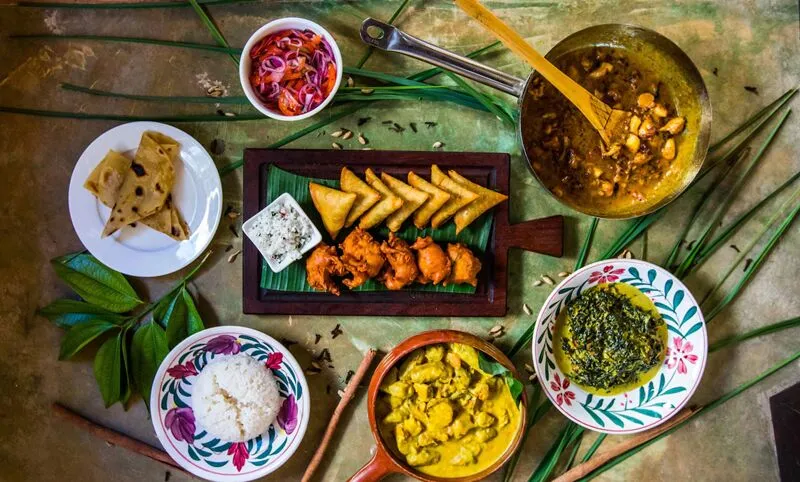
You eat together. No menus. Just what you made — rice still steaming, coconut sauce thick, fried plantain edges crisp and golden. Someone always says, “Eat more,” before you even finish your plate. You obey.
A traveler from Germany asks how to make chapati this soft. The teacher says, “It’s not the flour. It’s the patience.” Everyone laughs, but you can taste the truth.
6. Learning the island through flavor
Each class tells a story. Stone Town ones talk about history — cloves traded for gold, recipes that crossed oceans. Rural classes near Jambiani or Bwejuu tell stories of family — generations stirring the same pots. Up north, near Nungwi, they cook with fish so fresh it still smells of tide.
The island changes flavor every few kilometers. Curry in the south, grilled octopus in the north, seaweed salads near Paje. You start realizing that cooking is just another map.
7. The quiet joy of doing it wrong
No one expects you to be perfect. You’ll burn onions, drop spoons, confuse cumin for cinnamon. Everyone’s been there. Laughter is part of the recipe.
One traveler flipped a chapati mid-air and it landed on the teacher’s shoe. Nobody stopped laughing for five minutes. The teacher shrugged, brushed it off, fried another one. “Now you know,” she said.
8. The rhythm of spice
There’s a moment every class shares — the spice talk. Cinnamon for love, clove for strength, cardamom for calm. They say turmeric brings good health and bad luck if spilled. You believe it because it feels right.
The teacher crushes a mix in a wooden mortar — slow, steady. The scent fills the air, rich and heavy. You think of all the meals it will season. You think of how many hands did this before you.
9. Vegetarian? Vegan? No problem.
Most Zanzibari dishes start plant-based anyway. Coconut, banana, cassava, okra, pumpkin leaves. The island’s kitchen doesn’t need adjustment; it already respects the earth. You realize sustainability isn’t a buzzword here — it’s tradition.
I met a teacher in Paje who said, “We don’t waste food because we remember hunger.” That line followed me all day.
10. Sunset endings
By the time class ends, shadows stretch across the courtyard. Plates empty, tea brewed thick with ginger. The world feels slower, sweeter. You sit, sipping, feeling the day cool off. The sea hums somewhere nearby.
The cooking class experiences appears in the tours overview section because this isn’t just another activity — it’s how you learn the island from the inside out. You can tour spice farms, eat at beach cafés, join sunset cruises. But here, you become part of it.
11. A few things you learn by accident
Grating coconut makes your hands ache. Firewood burns slower when it’s humid. Chapati dough gets softer if you sing while kneading — someone swears it’s true. Every mistake adds flavor.
And somehow, between all the chopping and stories, you start feeling at home in a kitchen that isn’t yours. That’s the point.
12. Taking the recipes home
You leave with spice bags tied in newspaper, fingers stained yellow from turmeric, and maybe a scribbled note that says “use more love.” You try cooking it later, back home, but it never tastes the same. Not because you forgot ingredients — because you left the ocean out.
That’s fine. Zanzibar food belongs to Zanzibar. You just borrowed its warmth for a while.
13. Price and time
Most classes cost between 40 and 70 USD, lasting half a day. Worth every shilling. You pay not for the meal but for the stories — and the people who let you into their world.
Sometimes they’ll drop you at the market first, sometimes they pick you from your hotel. No two classes run the same. That’s the charm — it’s never mass-produced.
Final taste
Zanzibar cooking classes don’t chase perfection. Nobody cares about plating or pretty photos. It’s rhythm and smoke. A bit of chaos. Laughter that hangs in the air with the spice. You eat, sure, but something else settles in you too — a kind of stillness you didn’t expect.
And later, when you pass another kitchen in another country, you’ll smell something familiar — and you’ll smile without knowing why. That’s how the island stays with you.