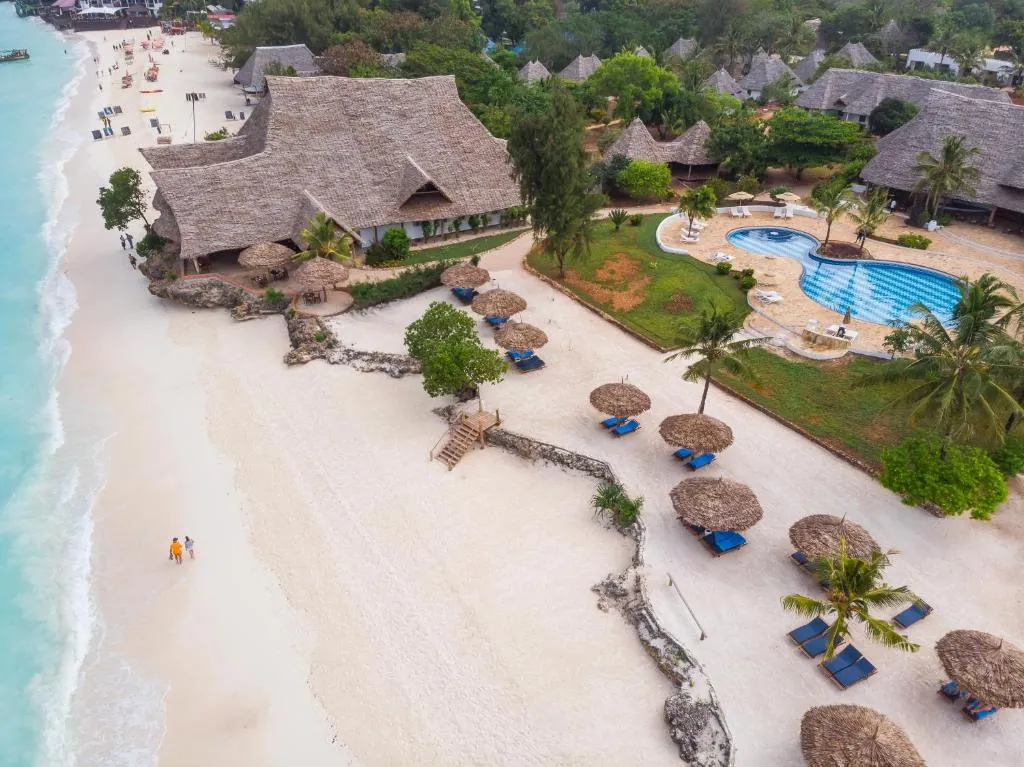
Nungwi Beach essentials: what you need to know
Nungwi is not shy. It doesn’t whisper like Matemwe or pace itself like Paje. It hits you on arrival: boats pulled up on white sand, kids chasing a ball, grills smoking, music from three directions, and that neon-blue water that looks edited even when you’re standing in it. People who want quiet complain; people who want life settle in fast. If you’re comparing where to base your trip, don’t guess from Instagram. Do the homework, save the cash, and line up the vibe: Trip comparisons including nungwi beach essentials: what you need to know stays and visits. One wrong hotel on the wrong stretch and you’ll be swearing at the bassline instead of the sunset.
Where Nungwi actually is (and why that matters)
Nungwi sits at the island’s northern tip. Geography matters here. The north gets less dramatic tide swing than the east coast, which is why you can usually swim through the day instead of watching the ocean vanish to the horizon. That single fact explains 80% of the crowds. Divers base here, backpackers crash here, families risk it here, honeymooners try to sneak the romance in between beach bars. If you need “just you and the sea,” Kendwa’s the calmer cousin one beach down; if you want a pulse, you’re in the right place.
First contact: the arrival moment
Airport haze. Humid air. Drivers with signs. You haggle or you don’t. The road north starts chaotic, settles into village rhythm, then trees thin and the first slap of blue hits you between the coconuts. The car door opens and sand gets everywhere instantly. Don’t fight it. Sand wins. You’ll learn where the shade lines are by day two and which path avoids the soft patches that swallow flip-flops whole.
Map-in-your-head orientation
You’ve basically got a curving band of beach, a spine of guesthouses parallel to it, and a back lane where normal life keeps going (shops, fruit, airtime). The tourist track runs along the sand; the problem-solving track runs one row behind. When in doubt, walk the waterline to understand the layout, then cut inland for ATMs, SIM shops, and cheaper eats.
Stay choices: noisy vs normal vs numb-your-wallet
- Budget crash pads ($30–$60): Fan rooms, tiled floors, basic breakfast, Wi-Fi that works at 3am then dies at 9. Close to the sand, closer to the noise. Perfect if you’re out all day and sleep like a rock.
- Mid-range comfort ($100–$200): AC, pool, real breakfast, 2–5 minutes to the beach. This is the sane sweet spot for most first-timers. You’ll still hear the music, but you’ll choose when.
- Luxury cocoons ($350–$600+): Big pools, big views, polished service, doors that turn the party into a rumor. If romance or recovery is the mission, pay for the buffer.
Golden rule: location beats stars. A “3-star” slightly back from the bar strip sleeps better than a “5-star” sitting on top of a speaker stack.
How much money actually moves here
- Taxis: Airport → Nungwi ~$35–$45 if booked right, more if you wing it. Night surcharges appear out of thin air. Decide the price before the door shuts.
- Meals: Street fish + chips $3–$5. Beach grills $8–$15. Resort dinner $20–$40. Lobster will test your budget discipline.
- Beers: Local bottles usually $2–$3. Cocktails $6–$10 depending on how much glassware drama is involved.
- Tours: Snorkel Mnemba $25–$45 in a group; diving is more — course days add up, worth it if you’re serious.
Cash is king. ATMs exist but pretend to be tired exactly when you need them. Bring backup USD. Cards work at bigger hotels; street life laughs at your Visa.
Eating without getting bored (or sick)
Resort buffets are safe and samey: eggs, fruit, pancakes; later, the seafood trio — octopus, calamari, fish. Good for day one, boring by day three. Step off the sand and find charcoal smoke: mishkaki (beef skewers), chipsi mayai (fries omelette), whole fish crisped and slammed with lime. If a stand is busy and food is hot, you’re fine. If a platter is lonely and lukewarm, keep walking. Coconut water solves more problems than arguments do.
Day rhythm vs night rhythm
Mornings belong to fishermen and divers; the shore works like a workshop with boats, nets, engines. Midday is float-and-fry o’clock. Afternoon: football on the sand, bargaining, someone doing handstands. Sunset is church: dhows cut across gold water and even the loud bar chills for a minute. Night wakes back up. Reggae, amapiano, whatever the DJ feels like. On full moon weekends, the energy leaps a gear; book away from the epicenter if you plan to actually sleep.
The tide reality (so you don’t plan the wrong day)
Nungwi’s selling point is that you can usually swim without chasing the ocean. “Usually” still means you’ll notice shifts — shallower in parts, rocks teasing toes, then deep again. It’s not the east coast’s walk-to-Kenya low tide, but it isn’t a pool either. Watch locals. If they’re swimming, it’s fine. If everyone’s standing around, maybe wait thirty minutes. The ocean runs on its schedule; you’re the guest.
What to actually do (not a brochure list, a real one)
- Dive school life: If you’ve ever wanted PADI, do it here. Instructors patient, students happy, stories good over beer. Mnemba mornings are the postcard you think of when you say “Zanzibar.”
- Snorkel runs: Cheap, cheerful, sometimes chaotic. Bring your own mask if you’re picky. Foggy masks ruin friendships.
- Sunset dhow: Wooden boat, sail up if wind cooperates, engine if not. Cold drink in hand, horizon doing the heavy lifting. It’s cheesy in theory, perfect in practice.
- Turtle sanctuary: Good for families, quick for everyone else. Teaches kids that “cute” is also “conservation.”
- Walk to Kendwa: One hour barefoot therapy. Go in the morning, come back with a tan line you didn’t plan.
Street-smart safety without killing the vibe
- Keep the phone low in busy crowds; pickpockets like distracted sunsets.
- Don’t leave bags on the sand “just for a dip.” That’s a donation basket.
- At night, stick to lit stretches. Drunk confidence is not a safety strategy.
- Say “hapana, asante” (no, thank you) firmly if you’re not buying. Works better than essays.
Our guide to Zanzibar beaches also covers nungwi beach essentials: what you need to know
Nungwi doesn’t live alone. Every coast on the island has a mood. If you want the full playbook, zoom out and compare before you lock deposits: Our guide to Zanzibar beaches also covers nungwi beach essentials: what you need to know. That one helps you decide if Nungwi is your base, your finale, or your “let’s just go wild for two nights and leave before we start a band” stop.
Etiquette you won’t find on a booking page
- Dress codes apply off the beach. Throw on a shirt and longer shorts in the village. It’s respect, not rules-for-rules’ sake.
- Ask before photos, especially of people working. A smile and a nod go far.
- Ramadan changes rhythms. Fewer day drinks, more night food. Roll with it.
- Coral is not a souvenir. Feet off the reef, hands off the starfish.
Noise vs peace: pick your coordinates
Closer to the main bar patch = energy and FOMO, plus poor sleep. Further north or tucked one row back = fewer steps to silence. Families: choose pools set slightly away from the beach path so daytime hawkers aren’t your daily conversation.
Packing list that makes sense
- Reef-safe sunscreen + aftersun
- Flip-flops and one pair of real sandals
- Light long sleeve (sun + modesty when you head inland)
- Snorkel mask if you hate rental gear
- Dry bag / phone pouch
- Power bank (electricity naps happen)
- Small first aid: painkillers, electrolytes, antihistamine
- Cash in small notes + card as backup
Month-by-month feel (so you don’t guess)
Jan: Busy, expensive, water perfect, patience required. Nightlife on full blast.
Feb: Still hot, still humming, slightly easier on prices.
Mar: Shoulder. Some rain, fewer people, friendlier quotes.
Apr–May: Rain takes its shot. Deals appear. If you like space and don’t cry over clouds, it’s great.
Jun–Jul: Dry, bright, popular with SA winter escapees. Book early.
Aug–Sep: Sweet spot. Clear days, saner prices, crowds without chaos.
Oct: Warm, steady, a little less intense.
Nov: Short rains flirt with your plans. Cheaper, flexible, still fun.
Dec: Max volume, max price, max sunsets. Bring patience and book months ahead.
Two little stories that teach faster than advice
Story one: A Joburg couple checked into a cute lodge beside a bar with subwoofers big enough to have names. At 1:40am they learned the difference between “near nightlife” and “inside nightlife.” They moved hotels at dawn. Read the map, not just the reviews.
Story two: A backpacker swore by $2 dinners and $6 beds. He spent his savings on dives and came home with a certification and a smile that looked permanent. Nungwi rewards people who choose the right thing to splurge on.
Transfers without drama
Pre-book your airport pickup. Ask for the price in writing, ask for the driver’s name and car model, and walk straight past the chorus offering “best price.” On the way back, leave earlier than your instinct; traffic + road works don’t respect your check-in time. If your flight is at weird o’clock, lock the ride the day before and screenshot everything.
Wi-Fi myths and SIM truths
Hotel Wi-Fi: unpredictable. Coffee shop Wi-Fi: generous until five people try to upload reels, then it cries. Buy a local SIM. Airtel, Halotel, Zantel — take your pick. Data is cheap; sanity is priceless when you’re trying to confirm a transfer or download your boarding pass on a beach bench.
Tour desk vs beach guys
Hotel desks cost more and come with accountability. Beach sellers cost less and come with vibes. If your budget is tight and your risk tolerance is high, negotiate hard by the water. If your schedule is tight and you hate surprises, pay the premium and sleep easy. There’s no moral victory either way — it’s just preference.
Photography without being “that person”
- Sunrise gives you boats and workers; sunset gives you silhouettes and dhows.
- Ask before shooting portraits. Trade a small tip or a print if you can.
- Keep drones respectful. Wind, crowds, and privacy all matter more than your montage.
Three-day blueprint (use, tweak, ignore)
Day 1: Arrive, walk the curve of the beach, find your breakfast place, book tomorrow’s tour, sunset dhow, early night or not-so-early night.
Day 2: Mnemba snorkel or dive day. Nap by the pool. Street dinner, low-key bar, sleep without an alarm.
Day 3: Turtle sanctuary quick visit, walk to Kendwa and back, last-minute gifts on the back lane, sunset with a camera you barely use because you’re busy looking.
Mistakes that keep repeating (let them be someone else’s)
- Choosing the loudest part of the beach then Yelp-complaining about noise.
- Expecting Wi-Fi to carry your work week. It won’t. Don’t promise Zoom anything.
- Packing shoes like you’re on a fashion week runway. You’ll wear one pair.
- Taking the cheapest snorkel because “it’s all the same.” It’s not, ask your leaking mask.
- Forgetting small cash. Big notes mean awkward change dances.
Family, couple, solo — who Nungwi suits
Families: Pick a place with a pool slightly away from the boardwalk. Save beach energy for when you want it, not when it barges into nap time.
Couples: Mid-range or luxe off the main strip. Chase the noise when you feel like it, escape when you don’t.
Solo: Budget or mid. Say yes to group tours; the ocean’s the best icebreaker on earth.
Health, sun, and other boring things that matter
Bottled water only. Reef-safe sunscreen because you want fish tomorrow too. Reapply like it’s your job. If your stomach is dramatic, carry rehydration salts and don’t test “mystery mayonnaise” in the heat. Motion sickness? Handle it before the boat, not mid-swell. Sleep. You can’t enjoy paradise running on fumes.
Small scripts that save time
- Taxi price set: “Stone Town to Nungwi forty five, sawa? Cash ready.” (Smile. Firm voice.)
- Not buying: “Hapana, asante. Pengine kesho.” (No thanks. Maybe tomorrow.) Keeps it friendly.
- Photo ask: “Naweza kuchukua picha?” (May I take a photo?) Simple wins.
Rain day plan that still feels like holiday
Storms pass quick, but if the sky sulks, do the slow stuff. Coffee with a book. Cooking class if offered. Massage if your budget permits. Walk the back lane and people-watch under awnings. Rain in Nungwi is like a reset button — the beach exhales and the colors come back brighter when it clears.
Closing: how to leave with the right memory
Nungwi isn’t trying to be perfect. It’s trying to be alive. If you come in demanding silence and predictability, you’ll fight it and lose. If you come in ready for sound, salt, and small chaos, you’ll get the version of the beach everyone keeps trying to describe and never quite can. Choose your coordinates, carry cash, eat where it’s busy, swim when the water calls, and don’t argue with sunsets. That’s the real essential.