Diving excursions off Matemwe
Morning in Matemwe starts quiet. Nets out. Wind undecided. Sea flat like glass until it isn’t. You check your mask, touch your fins twice, listen for the outboard clearing its throat. This coast doesn’t shout. It nods. It says: get on the boat, keep your eyes open, breathe like you mean it. If you’re building this trip the smart way—no scramble, no last-minute regrets—start at the beginning and lock the logistics with your wallet and your calendar. Discover offers where diving excursions off matemwe is part of the itinerary. Put it near the top of your plan so the ocean doesn’t become a “maybe if we have time” situation. Because it won’t happen then. Things that aren’t scheduled tend to disappear under sunscreen and naps.
Matemwe sits opposite Mnemba’s reef like a neighbor who knows when to wave. Short boat hop. Different world under the surface. Soft light, fast fish, small drama, big calm. This isn’t a lecture. It’s a field guide written with sandy hands. Irregular notes. Things we learned by doing it wrong once and right the next time. Take what fits your day. Leave the rest on the deck.
Where you’re actually diving (so the brain relaxes)
You’ll launch from Matemwe beach—sand so wide it makes time slow—then angle out toward Mnemba Atoll. Fifteen to thirty minutes depending on swell and engine mood. Sites get names you’ll hear again and again: Kichwani. Wattabomi. Aquarium. Small Wall. Each with its own personality. Kichwani is the postcard: a drop-off that invites you to hover and feel small in a good way. Wattabomi is the fish parade, a mild drift if the current wakes up. “Aquarium” is exactly that—clear, fishy, easy to love.
Depths: 6–12 m for the easy lanes, 12–18 m for most certified fun, 20–30 m when the plan and the cert say yes. Visibility has moods—calm season can feel like flying; windy days can scatter confetti in the water. That’s diving. You read the day and adjust the ego.
Seasons, visibility, and water that changes its mind
You can dive year-round. That’s the truth. Better visibility often shows up when winds sleep—think late southern winter through spring. Long rains bring their own personality; not a stopper, just a reminder to pack patience. Short rains bring quick drama then blue again. Water temp usually lives in the “you’ll be fine in a 3 mm” zone, but some mornings whisper “add a vest.” Currents? They exist. Gentle drifts most days, playful some days, rare “let’s pick another site” days. Good operators read tides like a book they love.
Boats, crews, and the quiet competence you want
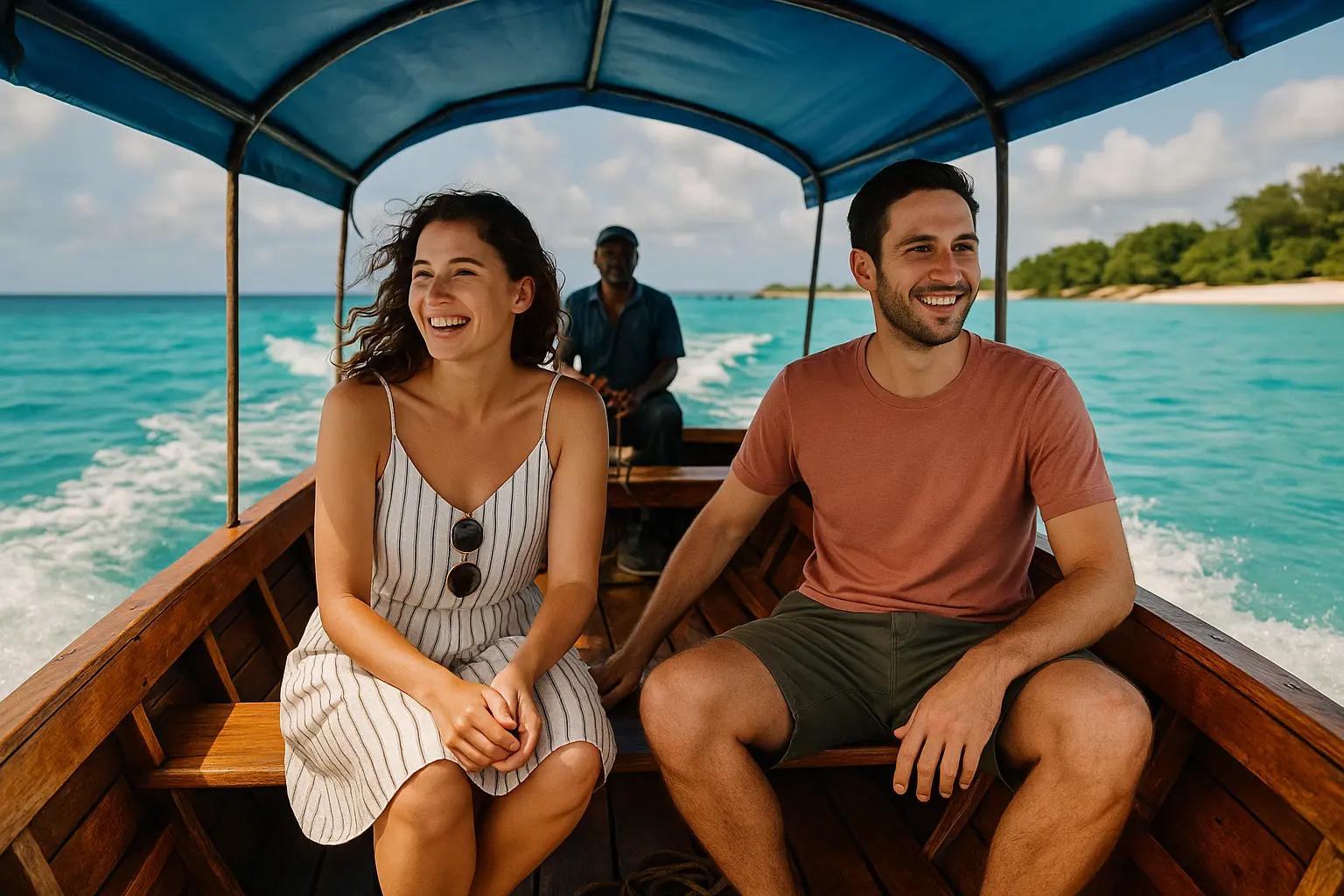
Typical setup: wooden dhow with an engine or a fiberglass dive skiff. Shade. Cylinder rack. Dry box that is never as dry as we all hope. Oxygen on board if the crew is serious (ask, don’t assume). Radio or phone coverage. Briefing that is more than pointing at the horizon. A good divemaster will draw the site in the air with their hands and make you feel you’ve been there already. Ratios matter—small groups are calmer. If you’re rusty, say so. No one gets a medal for pretending.
Gear: bring your own brain, we’ll sort the rest
Most shops kit you out: BCD, reg, mask, fins, wetsuit in the usual sizes. If your face is picky, pack your own mask. If your ears are dramatic, bring good plugs for the surface and patience for equalization. Sunscreen that doesn’t poison reefs. A soft hat for surface intervals. Dry bag for the “it won’t splash” lie we tell ourselves. If you photograph, spare o-rings and a cloth that fights fog. No glove touching, no coral poking. Your hands carry curiosity, not force.
The sites—quick sketches so you can picture the water
Kichwani: wall that drops, soft corals waving hello, anthias in loose confetti. Turtle odds are decent. If the current hums, you drift like a kite with manners. Don’t chase the big shadow; let it pass, then follow at a respectful distance.
Wattabomi: bommies stacked like a lazy staircase. Surgeonfish schooling. Sweetlips posing like they know they’re in a brochure. It’s generous here. Even a slow fin day gives you a show.
Aquarium: name tells you everything. Blue so clean it feels edited. Small critters in the cracks, sometimes a ray snoozing under sand if you read the texture right. Good for beginners. Good for everyone, really.
Small Wall / Big Wall variants: step-downs that invite buoyancy discipline. You dial in your breath, you float, you stop fighting the water. That’s the moment people become divers instead of swimmers with tanks.
Marine life: who shows up when you’re patient
Turtles. That’s the headliner. Green most days, hawksbill when the luck is loud. Blue-spotted rays doing that casual glide that makes your heart slow down. Reef sharks pass by like busy neighbors—don’t chase, don’t crowd. Angelfish, butterflyfish, parrotfish painting the noise. If you slow your eyes, nudibranchs announce themselves like tiny flags. Octopus if you’ve earned it with stillness. Dolphin sightings happen on the ride out, not a promise, just a very good surprise. Humpbacks migrate in season offshore; you hear them sometimes if the island decides to be generous with sound.
Beginners, returning divers, and that first-day rust
Matemwe is kind to people who haven’t kicked in a while. Do a check dive in the easy water. Signal early, signal often. Trim the weight until you stop kneeling on the sea. Practice hovering beside a bommie and watch how fish ignore you when you become furniture. If you’re doing an intro dive, stay honest about comfort. If something feels wrong—strap, mask, tempo—pause at the surface and fix it. There is no clock that matters more than your breathing.
Advanced divers: you’ll get your play
Talk to the crew. Ask for the deeper ledges when conditions agree. Mild drifts can become lovely conveyor belts if timed right. Night dives show a different city—hunting octopus, sleeping parrotfish in mucus pajamas (nature is wild), bioluminescence if you black out your torch. Keep your light discipline and your hand signals crisp. This coast rewards patience more than swagger.
Photography: the light is a character here
Shallow reefs clap for natural light. You’ll love 6–12 m for color without flash. If you’re new: one subject per shot, get close, then closer, then frame the negative space like you mean it. Backscatter is a Zanzibar hobby if you silt the place up; frog-kick and be kind. Fish portraits: wait at cleaning stations. Turtles: never front-block air. Rays: predict the line and drift parallel. Between dives, shade the housing. The sun loves to break O-rings if you’re careless.
Conservation: the rules that keep tomorrow alive
Don’t stand on coral. Don’t move “just one” rock for a better photo. Don’t hand food to fish because you saw a video once. Keep your gauge off the reef like it’s allergic to beauty. Bring reef-safe sunscreen. If a guide picks trash from the sea, copy them. If a guide harasses wildlife, choose another shop tomorrow. Money is a vote. Spend it on people who act like the ocean matters beyond Instagram.
Money talk without fake certainty
Two-tank mornings are the rhythm. Add-on for gear rental if you don’t bring your own. Marine area fees in some setups. Snacks or fruit between dives, water on board, sometimes tea when you get back. Exact numbers shift with season and operator, so ask in a single, clean message: “Two certified divers, two-tank boat, gear included, any park fees, total cash and card?” Get it in writing. Save the screenshot. Calm beats haggling at 6 a.m.
Day flow: what it actually feels like
Meet on the sand early. Paperwork that never feels poetic. Fit gear. Short walk to the boat unless the tide tells you to wade. First site, long surface glance with the briefing in your head. Roll back or step in. Descent that tastes like expectation. Forty-five minutes that feel like ten. Surface. Fruit. Laughter about the turtle that photobombed you. Second site, softer body, better buoyancy, smoother mind. Back by late morning. Rinse gear. Salt still in your eyebrows at lunch. Nap or beach. You earned both.
Seasick? Fix it before the ocean tests your pride
Eat light but real—toast, banana, nothing greasy. Hydrate. Ginger helps some people, meds help others. Sit near the stern, eyes on horizon, shoulders loose. Don’t hover in diesel perfume zones. If you feel it rising, ask for water and wind. Pride is cute; puking on fins is not.
Timing: tides are the local boss
Operators plan around tides for launch ease and site behavior. Very low water can mean longer wades or different boats. Strong flows on certain moons make drifts punchier; the crew will steer you to friendly corners. Trust the local math. It’s written in years, not apps.
Clear as day so you can jump and come back without hunting: Our experience guide covers diving excursions off matemwe tours. That link holds the broader trip patterns, what to pair with dives, where to sleep, how to keep days from turning into logistics.
Pair it with the rest of your island life
Dive mornings pair well with lazy lunches and shade. Don’t stack a spice tour on a two-tank return unless chaos is your hobby. Swap: dive day / land day / boat day. Your body and ears will love you. If you’re with non-divers, give them a plan: snorkel trip while you’re underwater, tide-pool walks, book + hammock + smug smile. Reunion at lunch, then nap like champions.
Families and non-divers: how to make it fair
Tell the truth at breakfast: “Two hours for us underwater, two hours for you doing something you choose later.” Equal time. If kids are around, check with the operator about snorkeling on the same boat (some support it, some don’t). If not, organize a separate snorkel with a gentle cove. Sunscreen discipline. Snacks that don’t melt. Everyone wins when no one waits empty-handed.
Training and refreshers: make the first day gentle
If you want to level up—advanced, nitrox, buoyancy clinic—Matemwe is a good classroom. Do the theory in shade, not in a bar after sunset. First dive of a course should feel like a handshake, not a wrestling match. Good instructors are calm talkers and relentless about checks. Pick that energy. It seeps into your own.
Night dives: switch the soundtrack
The reef clocks out. The hunters clock in. Torch cones make theatre out of small things—shrimp eyes flash back, urchins look like weapons engineers got bored. Move slow. Keep beams low. Practice signals before you splash. Stay tighter than day groups. The boat looks different at night; memorize its shape. The stars on flat water after… you’ll sit quiet without being told.
Checklists that actually prevent hassle
The night before: charge camera, pack mask, anti-fog, reef-safe sunscreen, light snacks, meds if needed, towel you don’t love, cash for tips, ID, cert card (or app), logbook if you’re sentimental. Morning of: tiny breakfast, bathroom. Post-dive: rinse gear, hydrate, no flights for 18–24 hours unless your profile and tables say otherwise (err on soft side). Ears: equalize early, equalize often, never force.
Common mistakes (we’ve made them)
Over-weighting until you kneel in the sand. Under-hydrating then wondering why your head is cotton. Finning like you’re fleeing drama, silting the world. Chasing the turtle like it owes you rent. Not checking the O2 on the boat because you assume. Packing the wrong lens. Forgetting a hat. Booking a land tour right after a two-tank. All avoidable. Consider them avoided now.
Three-day sample that doesn’t chew you up
Day 1: easy two-tank—Aquarium then Wattabomi. Afternoon hammock, feet slowly forgiving you. Early dinner, early bed.
Day 2: land day—spice farm or Stone Town. Light legs. Good lunch. Ocean feet only at sunset. Sleep like you invented it.
Day 3: Kichwani drift then a shallow long look for turtles. Back by noon. Beach nap. If the sky behaves, night dive after a yes from your ears. Or just sit and listen to boats gossiping with the tide.
Safety that isn’t negotiable
Briefing you remember. Buddy who answers signals. Depth that matches your cert, not your ego. NDL respected like it can count (it can). Slow ascents, real safety stop, eyes on each other. Ox kit on board that isn’t a prop. Crew that points out the current line before you feel it. If something feels off before splash—gear, weather, your gut—say “we’ll sit this one.” The ocean will still be here tomorrow.
After the dives: what to eat because the sea made you hungry
Salt makes hunger loud. Matemwe answers with coconut beans, grilled fish that still tastes like the ocean spelled it, rice that behaves, kachumbari that wakes your mouth back up. One cold drink, then water. Sugar naps are a trap. You want that slow afternoon feeling where the world is soft and you decide nothing heavy until sunset.
If the weather says no (it will, sometimes)
Wind decides to flex. Operator cancels with a straight face. Good. That’s professionalism. You pivot. Snorkel in a sheltered corner. Long breakfast. Map your photos. Read under a tree. The ocean isn’t a vending machine. Respect buys you better days later.
Closing the loop so this actually happens
Decide your operator. Confirm the boat. Pick the sites with “if conditions allow” sanity. Sleep early, pack simple, show up five minutes before call. Let the reef handle the rest. And at the start—because planning beats luck—bookmark the thing that makes this real. Put your name down. Pay the deposit. Tomorrow’s blue is built today.