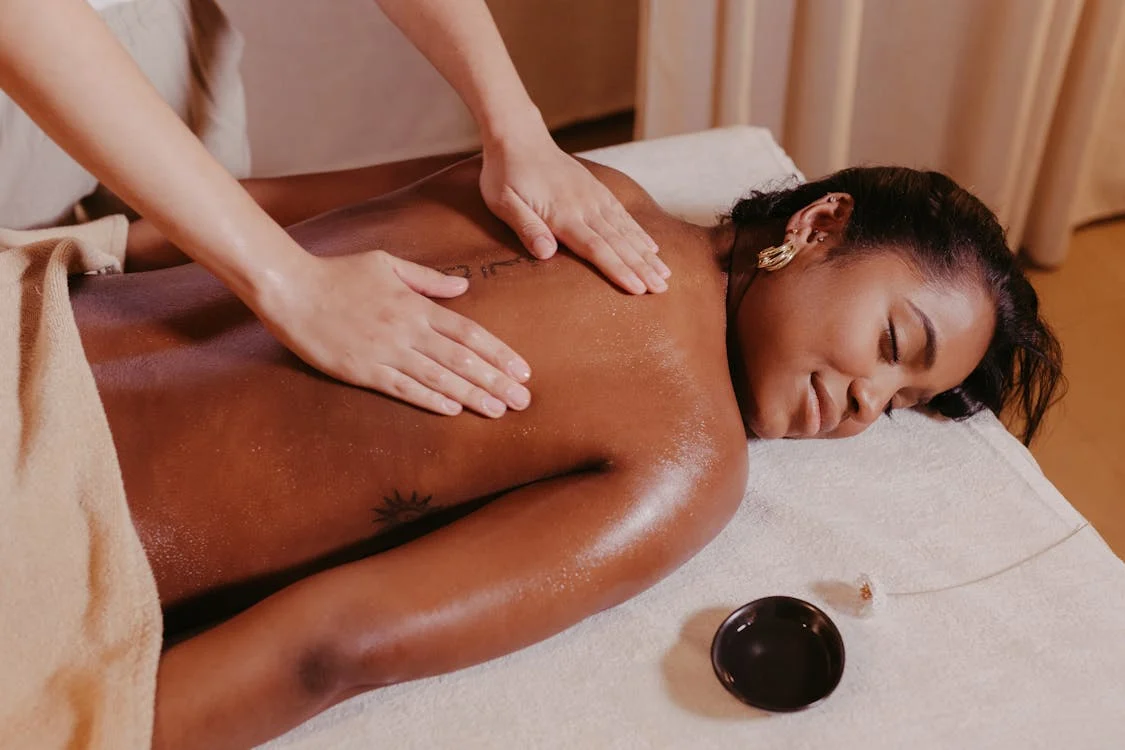
Best spa hotels in Nungwi
Salt on the air. A breeze that behaves like a gentle hand. Nungwi doesn’t shout; it sighs and opens the door. You come for water colors you can’t quite name. You stay because someone learned how to fold calm into a room, into a corridor that smells faintly of coconut and ginger, into a treatment bed that forgives the year you just carried on your back. If you’re building this trip with your eyes open, start with the numbers and the nice-to-haves in the same basket. Airport transfers. Late checkout. Breakfast that lands hot. A steam you didn’t know you needed. Do the boring part early and the beautiful part gets bigger later. If you like shortcuts, click the thing that tidies the plan without a speech: Explore travel packages connected to best spa hotels in nungwi. Put spa time into the booking, not as a maybe. Maybes disappear under sunsets.
“Best” can mean quiet, or grand, or a small miracle with warm stones when the rain taps the roof. It can mean ocean-view pavilions where the curtain moves with the tide. Or a dark, cool room where sound doesn’t enter. Different people need different kinds of silence. That’s the whole point: choose your silence on purpose.
How to read a spa hotel without a brochure
Skip the adjectives, check the bones. Treatment menu first: do they have a backbone (deep tissue done by someone with real hands), a hug (aroma oil that isn’t shy), and a fix (sports or targeted release). Steam/sauna/hydro sequence next: if there’s a warm-cold-warm path, your nervous system smiles for hours. Then the little tells: ginger tea with bite, not sugar soup. Towels that feel new, not tired. A robe that covers the day without swallowing you. You’ll know in five minutes whether a team is proud of the space or just renting it.
Beachfront temples vs shaded sanctuaries
Two moods live side by side in Nungwi. One sits close to the sea—treatment pavilions with linen drapes, ocean sound threading through your breath, a therapist who times strokes to the water like they learned the rhythm from the tide itself. The other hides in the garden—dim light, cool tile, low voices, the world turned down to a hush. You won’t know which one you crave until you walk in and your shoulders answer for you. Pick the one your body chooses, not the one with the prettier photo.
Rooms that help the spa do its work
A great spa hotel doesn’t dump you back into fluorescent energy after the massage. It lets the calm travel. Balcony with shade and a sliver of sea. Shower with pressure that feels like a decision. Bed that forgives you. Curtains that make morning negotiable. If a hotel understands that the treatment continues after the treatment, you’ll feel it at midnight when you roll over and everything is still soft.
Treatment sequences that actually change the day
Pre-heat (steam or sauna), rinse cool, then a long massage. Not thirty minutes. Ninety is the magic number. Feet first, then back, then the places that complain when you sit too long. If they offer a Zanzibar clove scrub, say yes and then walk slow for the rest of the afternoon like you just learned how to be new. Couples: mirror appointments, not stacked. Groups: stagger in 15-minute waves so nobody waits hungry.
Oils, scrubs, and the nose test
Good spa hotels let you smell before you choose. Coconut with a shy lime. Frangipani that doesn’t bully the room. Clove and cinnamon when rain taps the roof. If everything smells like a gift shop, pivot. If the therapist asks what hurts, answers in simple words, and mixes oil for your mood, stay. That conversation is worth more than any gold trim on the menu.
Hydro spaces: water teaching water
Pools that aren’t just pretty. Warm plunge, cool plunge, maybe a neck jet that erases laptop posture. If there’s a hammam day, book it. If there’s a rasul mud corner, bring a friend and pretend you’re both eleven and allowed to make a mess. Hydro done well adds a new paragraph to your afternoon. You come out rinsed in a way showers never manage.
Price sense without pretending precision
Spa bills in Nungwi run in bands. Resort rates: higher, but you’re buying choreography—pre/post lounges, the ocean on cue, tea that arrives without being asked. Boutique rates: gentler, sometimes better hands, fewer frills. Street spas: cheapest, inconsistent, occasionally brilliant. Ask clear questions: duration real or generous “hour” that ends at 50 minutes? Taxes included? Service built in or tip friendly? Add your transfer to the math if you plan to leave the property. Calm that requires six negotiations loses half its value.
For couples who want quiet to feel like a plan
Book late afternoon, not night. You’ll float into sunset. Start with steam, then a long massage in the same room. After, don’t rush. Sit somewhere the breeze edits the world. Share fruit. Speak like the day already ended and you decided to stay up anyway. If the hotel will draw a bath with salts and petals, let them. It sounds like a postcard, and it still works.
For groups who want to laugh and still get loose shoulders
Make a schedule. Name a timekeeper. Keep energy low in the spa hallways—save the loud for later. Book a mix: one deep tissue person for the desk warriors, one Swedish for the nap experts, foot reflex for the chronic walkers. Meet afterward at a quiet pool corner with cold water and something green on a plate. You can be a crew and still keep the mood respectful. The staff remembers kindness.
Day passes vs resident peace
Some hotels open spa and pool to non-guests for a day fee or with a treatment booked. Ask. If you’re staying elsewhere, this can be the best of both worlds: your wallet sleeps in a modest room but your muscles meet a luxury hydro circuit. Book morning to beat the crowd, then wander out for lunch with a soft face and slower steps.
Menus that mean it
A good spa menu reads like a map, not a sales pitch. Short descriptions. Clear goals: relax, fix, energize, recover. Local touches that aren’t costume—coconut, sea salt, spice island scrubs. One signature treatment that feels like it belongs to this beach and not to a template shipped in a binder. If every title is ten words long and full of adjectives, you’re buying copy, not care.
Therapists: hands that listen
Technique matters. Pressure that adapts mid-stroke, not a loop on repeat. Ask for medium and get medium, not aggressive enthusiasm. Good hands know where your shoulder hides the week. They find the knot, ask once, then undo it like a quiet argument. Tip the person, not the brand.
Fitness corners that don’t fight the spa
If you need a gym, look for windows that aim at the ocean, fans that move air without drama, free weights that weren’t picked in 2009. A small studio beats a big dungeon. Yoga mats that aren’t sad. If the hotel runs sunrise stretch on the sand, show up with sleep in your eyes and leave with a spine that works again.
Food that respects the treatment
After a massage you don’t want a heavy plate punching your calm. The good kitchens know this. Light grilled fish. Coconut beans with a squeeze of lime. A salad that isn’t just lettuce pretending. Ginger tea. Pineapple that tastes like the sun told it a secret. If the spa sells sugar bombs at the exit, walk past. Keep the tone.
Because sometimes you want a different bed, a different pool shape, a new angle on the sea—still spa, same calm: Find more hotel options alongside best spa hotels in nungwi. Keep two tabs open. Choose with mood, not panic. Let the island offer you a few versions of quiet before you decide which one fits your week.
Rain days and the gift of sound on the roof
Tropical rain is percussion. The best spa hotels lean into it. Dimmer switch lower, towels warmer, oil choices spice-leaning, tea poured like a ritual. Don’t fight wet weather with itinerary acrobatics. Book long, surrender to the drum, walk out when the air is new and the paths shine.
Sun mistakes and how a spa saves the afternoon
You did the rookie thing. Stayed too long in the noon shimmer. Skin hot. Mood brittle. Ask for an aloe wrap, cool compress, then a head and foot sequence that doesn’t stretch the angry bits. Hydrate. Hat tomorrow. Shade makes better memories than bravado.
Honeymoon logic without clichés
You don’t need roses shaped like swans. You need time handled gently. Stagger treatments so you have both alone time and together time. Ask for sunset slots. Ask for the bath ritual if it’s good. Order room service once. Speak less. The island speaks fine.
Family setups that still feel like a retreat
If you’ve got kids in tow, look for hotels with kids’ clubs or babysitting aligned with spa hours. Book two shorter treatments instead of one long so you can tag-team. Ask for a family cabana by the pool afterward, snacks at arm’s length, naps allowed. Calm can be a group project if you plan it with a light hand.
Accessibility and kindness
Ramps. Wide doorways. Tables that raise and lower without a fight. Therapists who ask before they assume. Hydro steps with rails. If a hotel answers these questions clearly, you’ll feel safe booking the rest. Hospitality is choreography you’re not supposed to notice; accessibility is the test of whether they rehearsed.
Morning vs sunset treatments
Morning sets the tempo. Sunset seals the day. If you plan a boat trip or reef wander, go spa after. If you want a slow, soft entry into your hours, go spa first and carry the hush to lunch. Don’t stack a deep massage and a high-speed excursion; your body will file a complaint.
Spa etiquette nobody wants to teach out loud
Be early. Speak low. Phones off. Shower before oil if you’ve been in sunscreen. Say what hurts and what doesn’t. Don’t apologize for falling asleep; it’s half the point. Tip quietly, look people in the eye. Gratitude feels like part of the ritual when you let it.
Outside the resort: neighborhood gems
Step beyond the gates and you’ll find small spas tucked above cafés or near quieter stretches of sand. A single room with a gifted therapist can beat a whole wing with a chandelier. Ask locals who they trust. Bring cash. Confirm duration and price before you lie down. Say “Asante” on the way out and mean it.
Packages that don’t waste your time
A good package stacks logic, not fluff: thirty-minute scrub (circulation wakes up), ninety-minute massage (knots give up), facial or scalp (brain unwinds), then tea and fruit without a clock tapping your shoulder. Add a hydro circuit before, not after. Add a lunch credit if the hotel understands what post-treatment food should be. Anything with ten micro-services in two hours is theater. Choose fewer, better.
Sleep hygiene, island edition
Put the phone outside arm’s reach. Dim lights ninety minutes before bed. Cold shower to cool core, then warm tea to signal calm. Curtain crack for a blue hint at dawn if alarms make you angry. If your room has a pillow menu, do the silly thing and try it. Your neck will write you a thank-you note in the morning.
What to pack so the spa isn’t a scramble
Light swimsuit for hydro. A book you won’t finish. Slides that forgive sand. Comb. Hair tie. Tiny pouch for tip and key. Reef-safe sunscreen for after. A shirt with sleeves for when the breeze becomes a polite argument. That’s it. The hotel brings the rest.
Noise maps and room selection
Ask about music nights, wedding lawns, bar speakers. Choose rooms one or two buildings removed from the action if you value sleep. Sea view is great; sea blare is not. High floors catch breeze, ground floors cut stairs. You’re not picky; you’re protecting the spa’s work.
When to say no
If the consultation feels rushed, say you’d like to wait. If the oil smells wrong, ask to change. If pressure feels off, say it early. If the room is loud, ask about another slot. You are not auditioning to be easy; you are paying to be cared for. Good teams appreciate clarity.
Three sample days (steal what fits)
Float Day: slow breakfast → beach walk → noon hydro circuit → 90-minute aroma massage → fruit, nap, sunset watching the water rewrite the edge of the world → early bed. Fix Day: stretch at dawn → deep tissue mid-morning → light lunch → shaded reading → feet + scalp in late afternoon → gentle swim → dinner that doesn’t pick a fight. Celebration Day: couples steam → signature scrub → side-by-side massage → bath ritual in-room → champagne, but only one glass → stars.
Money moves that make the calm cheaper
Book midweek when slots are less contested. Bundle two treatments for a softer per-minute price. Take the morning slot with add-on hydro included. Ask about resident rates if you’re staying multiple nights. Use card perks: some cover spa credits or give small cash back. Confirm taxes and service upfront so the checkout is boring (boring is excellent).
Photos? Maybe one. Then be there.
The room looks beautiful, the tray looks curated, your skin glows. Take one image. Then put the phone away. The best part of a spa hotel is the part that happens off-camera—the quiet that moves in like a tide and changes the texture of your thoughts. Don’t barter it for a grid square.
Leaving gracefully
Ask for water to go. Walk slower than you arrived. Tip with a smile, not a flourish. Hold the door for the next person like you’re passing a secret on. If you booked an evening slot, walk the beach once. Let sand take the last of your old mood. Sleep like you earned it.
What you’ll actually remember
Not the square footage. Not the exact brand of the oil. You’ll remember a hand pressing exactly where the week lived in your shoulder. The tea after. The sound of linen moving in a small wind. The way sunset felt longer because your body wasn’t fighting itself anymore. That’s the value. That’s why the best spa hotels in Nungwi deserve the word “best” without blushing.
And if you promised yourself you’d be practical while you’re busy being soft, do the admin in two clicks and forget it. Then close the tab. Go find the pool that feels like a sentence ending with a sigh.